Access the Journal Now!
Individual Member Subscribers | Institutional Library Subscribers
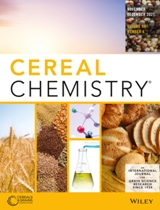
Cereal Chemistry® is an international journal publishing high-quality scientific papers reporting significant, recent research in the areas of
genetics, composition, processing, and utilization of grains including barley, maize, millet, oats, rice, rye, sorghum, triticale, wheat, pulses (beans, lentils, peas, etc.), oilseeds, and specialty crops (amaranth, flax, quinoa, and others). Research that advances the fields of instrumentation, analysis, and methodology are covered, as well as utilization of grains as they relate to human and animal health or nutrition.
Cereal Chemistry is abstracted and/or indexed in: Biological Abstracts, Biological and Agricultural index, Chemical Abstracts, Current Contents, Nutrition Abstracts and Reviews, Excerpta Medica, Science Citation Index, Dairy Science Abstracts, Field Crop Abstracts, Herbage Abstracts, Plant Breeding Abstracts, Review of Plant Pathology, Soils and Fertilizers, Weed Abstracts.
Not a subscriber yet? Read some of our open content to get a taste of the value provided by Cereal Chemistry!
Subscribe Now
New Member Subscriptions: Email hq@cerealsgrains.org
Institutional Library Subscriptions: Sign Up Online!
Questions about new or existing subscriptions? Contact us!